Across Ngāti Porou, whānau know the challenges that can come with severe weather events, natural disasters, and periods of isolation. Building community resilience means ensuring our people have access to the resources, support, and relationships needed to respond when emergencies occur.
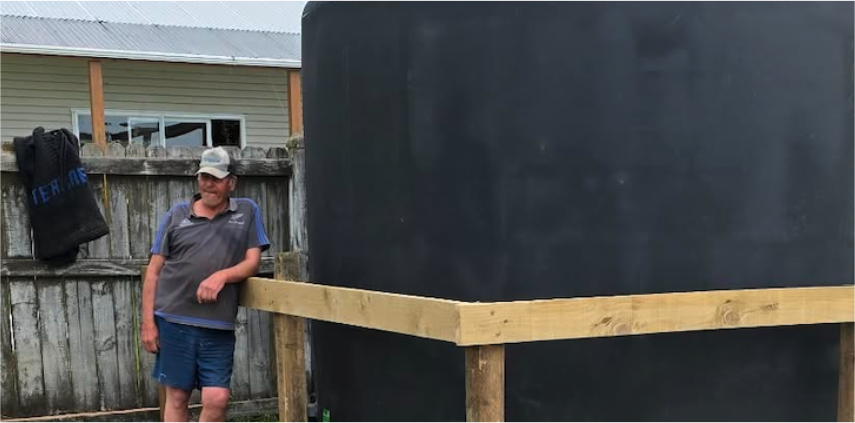
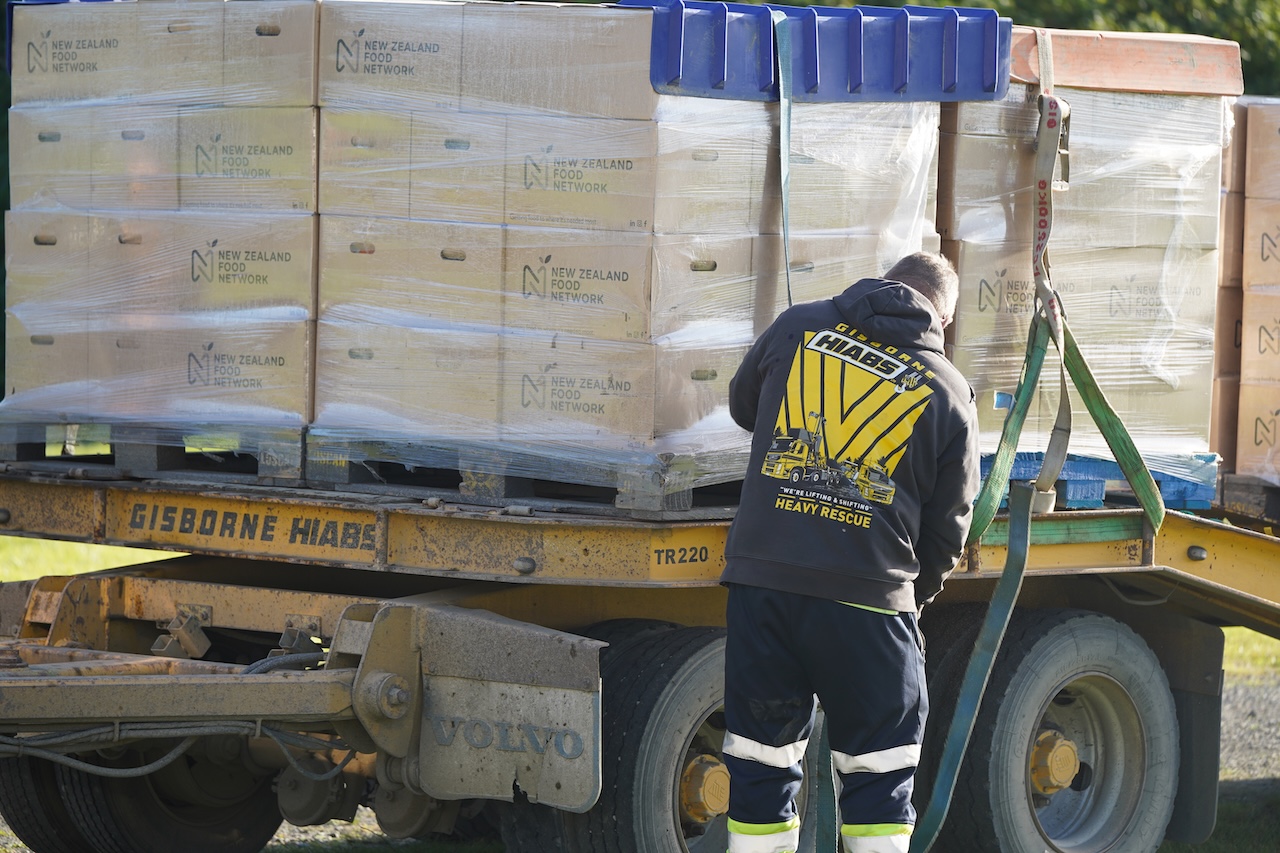
One initiative supporting this work is the Emergency Food Container programme. These containers provide an important layer of preparedness, ensuring emergency kai and essential supplies are available to communities when access to external support may be delayed or disrupted.
While the containers are only one part of a broader emergency preparedness approach, they offer reassurance to whānau and volunteer response teams that resources are available when they are needed most. They help enable immediate support on the ground, allowing communities to respond quickly and care for one another during difficult times.
The Emergency Food Containers are stocked with resources designed to support communities immediately following an emergency or severe weather event. Whether roads are closed, power is unavailable, or communication networks are disrupted, the containers provide practical support that can help sustain communities while wider response efforts are mobilised.
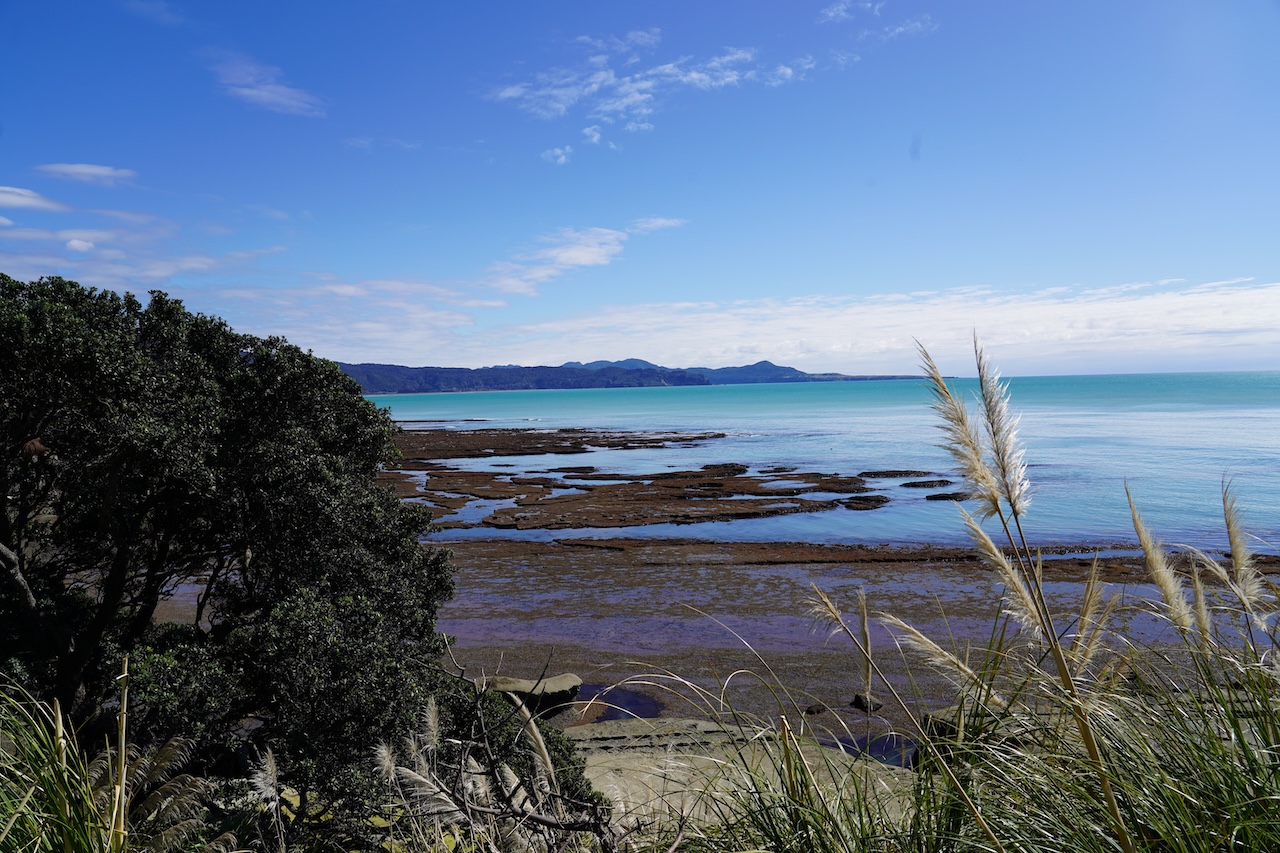
For coast communities, where isolation can become a reality during major events, having resources readily available locally is critical. The containers provide another layer of security and self-sufficiency, particularly during large-scale emergencies such as significant weather events.
Te Rūnanganui o Ngāti Porou plays an important supporting role in emergency preparedness and community resilience across the rohe. Internally, this means ensuring systems and processes are in place so kaimahi can continue to safely support whānau and deliver essential services during emergencies.
Across the community Te Rūnanganui o Ngāti Porou works alongside local, regional, and national partners to strengthen readiness and response capability. Looking ahead, the aspiration is to support all stages of emergency management — risk reduction, readiness, response, and recovery —while ensuring approaches remain grounded in Ngāti Porou values, mātauranga, and ways of working.
Preparedness is not simply about resources; it is about empowering communities, recognising local knowledge, and strengthening the capability that already exists within our people.
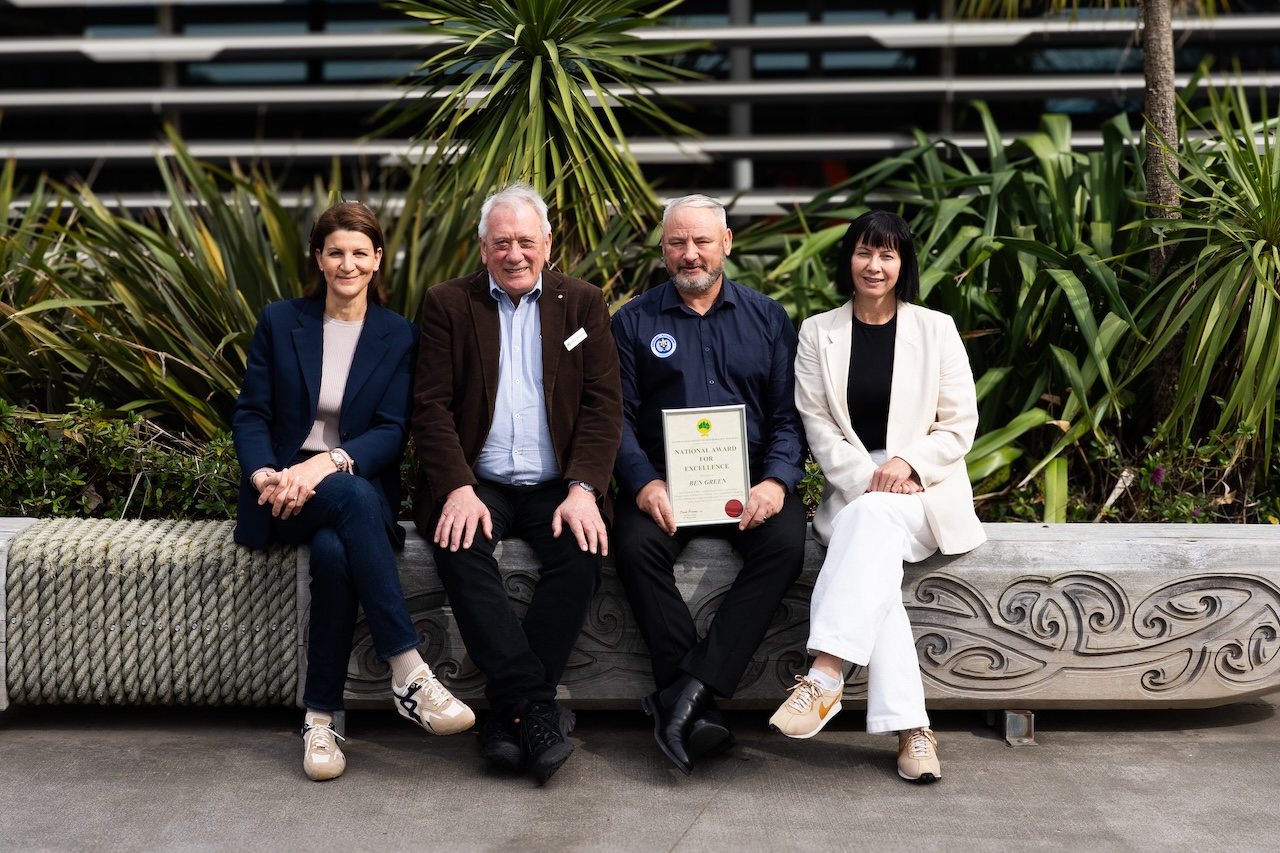
Emergency preparedness is a collective effort. Te Rūnanganui o Ngāti Porou works closely with Emergency Services, Civil Defence, and other response agencies to help coordinate support before, during, and after emergency events.
A strong example of this collaboration was seen during Cyclone Gabrielle and subsequent weather events, where
Te Rūnanganui o Ngāti Porou worked alongside regional partners to support response activities. By contributing local knowledge, community intelligence, and iwi-led support initiatives, Te Rūnanganui o Ngāti Porou helped ensure response efforts were informed by the needs of whānau and communities on the ground.
These partnerships remain essential to building resilience across the rohe.
For many coast communities, emergency service personnel are not strangers — they are our whānau, neighbours, and community leaders. Maintaining strong relationships with emergency services is an extension of whanaungatanga and recognises the invaluable role these individuals play in supporting our people.
These connections help strengthen response capability, maintain access to critical services, and provide a level of care and understanding that comes from serving one's own community.
Emergency Food Containers are more than just a store of supplies. They represent preparedness, resilience, and the collective commitment to ensuring our communities are ready when challenges arise.
By investing in resources, partnerships, and community capability, Ngāti Porou continues to strengthen its ability to respond, recover, and support one another through whatever the future may bring.
Across Ngāti Porou, whānau know the challenges that can come with severe weather events, natural disasters, and periods of isolation. Building community resilience means ensuring our people have access to the resources, support, and relationships needed to respond when emergencies occur.
One initiative supporting this work is the Emergency Food Container programme. These containers provide an important layer of preparedness, ensuring emergency kai and essential supplies are available to communities when access to external support may be delayed or disrupted.
While the containers are only one part of a broader emergency preparedness approach, they offer reassurance to whānau and volunteer response teams that resources are available when they are needed most. They help enable immediate support on the ground, allowing communities to respond quickly and care for one another during difficult times.
The Emergency Food Containers are stocked with resources designed to support communities immediately following an emergency or severe weather event. Whether roads are closed, power is unavailable, or communication networks are disrupted, the containers provide practical support that can help sustain communities while wider response efforts are mobilised.
For coast communities, where isolation can become a reality during major events, having resources readily available locally is critical. The containers provide another layer of security and self-sufficiency, particularly during large-scale emergencies such as significant weather events.
Te Rūnanganui o Ngāti Porou plays an important supporting role in emergency preparedness and community resilience across the rohe. Internally, this means ensuring systems and processes are in place so kaimahi can continue to safely support whānau and deliver essential services during emergencies.
Across the community Te Rūnanganui o Ngāti Porou works alongside local, regional, and national partners to strengthen readiness and response capability. Looking ahead, the aspiration is to support all stages of emergency management — risk reduction, readiness, response, and recovery —while ensuring approaches remain grounded in Ngāti Porou values, mātauranga, and ways of working.
Preparedness is not simply about resources; it is about empowering communities, recognising local knowledge, and strengthening the capability that already exists within our people.
Emergency preparedness is a collective effort. Te Rūnanganui o Ngāti Porou works closely with Emergency Services, Civil Defence, and other response agencies to help coordinate support before, during, and after emergency events.
A strong example of this collaboration was seen during Cyclone Gabrielle and subsequent weather events, where
Te Rūnanganui o Ngāti Porou worked alongside regional partners to support response activities. By contributing local knowledge, community intelligence, and iwi-led support initiatives, Te Rūnanganui o Ngāti Porou helped ensure response efforts were informed by the needs of whānau and communities on the ground.
These partnerships remain essential to building resilience across the rohe.
For many coast communities, emergency service personnel are not strangers — they are our whānau, neighbours, and community leaders. Maintaining strong relationships with emergency services is an extension of whanaungatanga and recognises the invaluable role these individuals play in supporting our people.
These connections help strengthen response capability, maintain access to critical services, and provide a level of care and understanding that comes from serving one's own community.
Emergency Food Containers are more than just a store of supplies. They represent preparedness, resilience, and the collective commitment to ensuring our communities are ready when challenges arise.
By investing in resources, partnerships, and community capability, Ngāti Porou continues to strengthen its ability to respond, recover, and support one another through whatever the future may bring.
Across Ngāti Porou, whānau know the challenges that can come with severe weather events, natural disasters, and periods of isolation. Building community resilience means ensuring our people have access to the resources, support, and relationships needed to respond when emergencies occur.
One initiative supporting this work is the Emergency Food Container programme. These containers provide an important layer of preparedness, ensuring emergency kai and essential supplies are available to communities when access to external support may be delayed or disrupted.
While the containers are only one part of a broader emergency preparedness approach, they offer reassurance to whānau and volunteer response teams that resources are available when they are needed most. They help enable immediate support on the ground, allowing communities to respond quickly and care for one another during difficult times.
The Emergency Food Containers are stocked with resources designed to support communities immediately following an emergency or severe weather event. Whether roads are closed, power is unavailable, or communication networks are disrupted, the containers provide practical support that can help sustain communities while wider response efforts are mobilised.
For coast communities, where isolation can become a reality during major events, having resources readily available locally is critical. The containers provide another layer of security and self-sufficiency, particularly during large-scale emergencies such as significant weather events.
Te Rūnanganui o Ngāti Porou plays an important supporting role in emergency preparedness and community resilience across the rohe. Internally, this means ensuring systems and processes are in place so kaimahi can continue to safely support whānau and deliver essential services during emergencies.
Across the community Te Rūnanganui o Ngāti Porou works alongside local, regional, and national partners to strengthen readiness and response capability. Looking ahead, the aspiration is to support all stages of emergency management — risk reduction, readiness, response, and recovery —while ensuring approaches remain grounded in Ngāti Porou values, mātauranga, and ways of working.
Preparedness is not simply about resources; it is about empowering communities, recognising local knowledge, and strengthening the capability that already exists within our people.
Emergency preparedness is a collective effort. Te Rūnanganui o Ngāti Porou works closely with Emergency Services, Civil Defence, and other response agencies to help coordinate support before, during, and after emergency events.
A strong example of this collaboration was seen during Cyclone Gabrielle and subsequent weather events, where
Te Rūnanganui o Ngāti Porou worked alongside regional partners to support response activities. By contributing local knowledge, community intelligence, and iwi-led support initiatives, Te Rūnanganui o Ngāti Porou helped ensure response efforts were informed by the needs of whānau and communities on the ground.
These partnerships remain essential to building resilience across the rohe.
For many coast communities, emergency service personnel are not strangers — they are our whānau, neighbours, and community leaders. Maintaining strong relationships with emergency services is an extension of whanaungatanga and recognises the invaluable role these individuals play in supporting our people.
These connections help strengthen response capability, maintain access to critical services, and provide a level of care and understanding that comes from serving one's own community.
Emergency Food Containers are more than just a store of supplies. They represent preparedness, resilience, and the collective commitment to ensuring our communities are ready when challenges arise.
By investing in resources, partnerships, and community capability, Ngāti Porou continues to strengthen its ability to respond, recover, and support one another through whatever the future may bring.